I was in the middle of untangling a Christmas lights situation—the kind where you question every life choice that led you to this moment—when my elderly neighbor, Mr. Kowalski, shuffled over with a foil-wrapped bundle. Now, Mr. Kowalski is a retired accountant who spends most of his day arguing with squirrels about who owns the bird feeder. I was not expecting cooking advice from him, but there I was, half-buried in extension cords, listening to him describe exactly how to make Pan de Muerto with a level of detail that suggested he had strong feelings about bread.
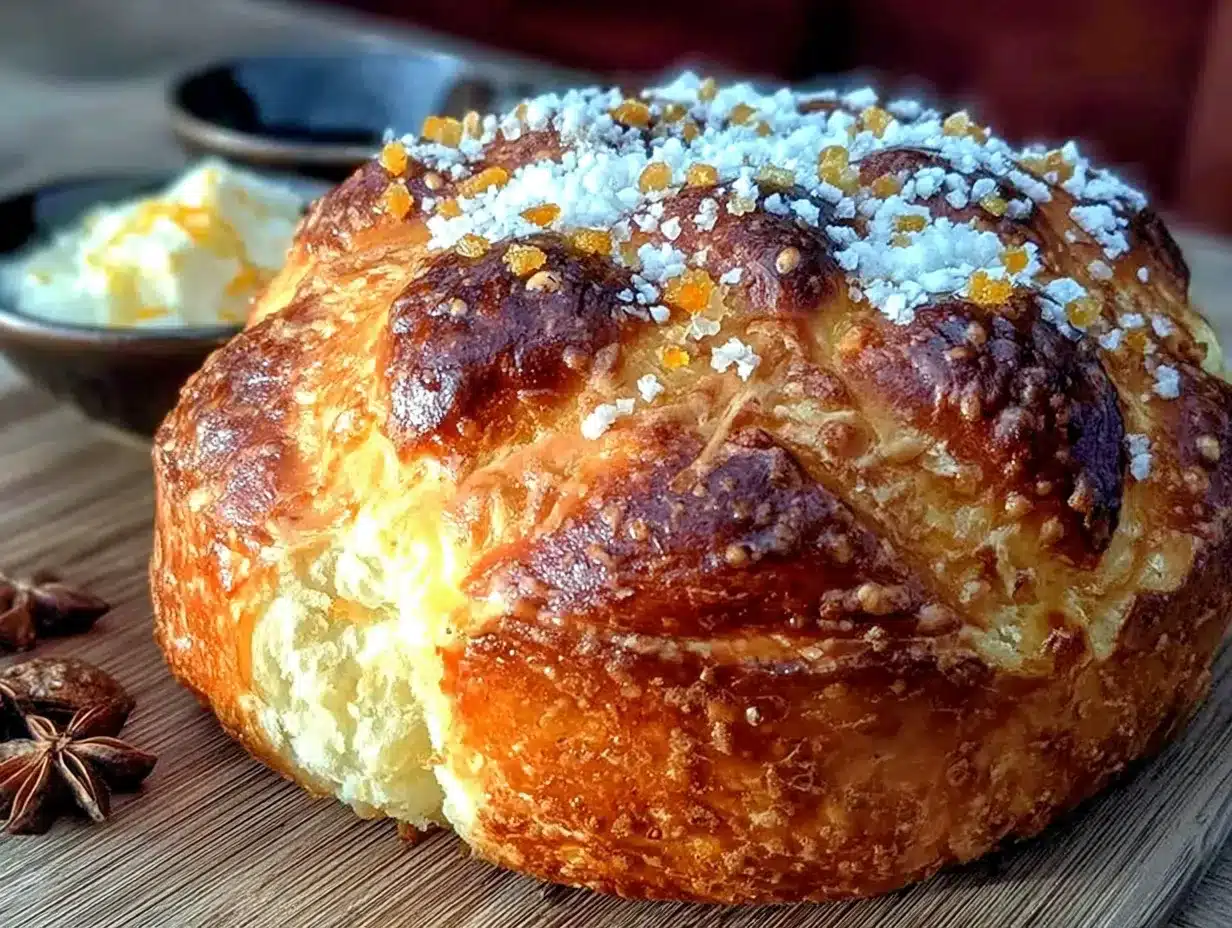
“The orange zest is non-negotiable,” he said, pushing the warm bundle into my hands. “And don’t you dare skip the anise.” Inside was a round, golden loaf dusted with sugar, smelling like a bakery had materialized on my front porch. I stood there holding it, genuinely confused. Mr. Kowalski and I had exchanged maybe twelve words in three years, mostly about recycling bins. But here he was, handing over a piece of his family’s Dia de los Muertos tradition like it was the most natural thing in the world.
Honestly, I almost dropped it. The bread was that soft—the kind of pillowy that makes you nervous to hold it too tight. I tore off a piece while still standing in my driveway, and let me tell you, that first bite had this unexpected warmth from the anise, brightened by the orange, that made the whole chaos of tangled lights feel suddenly manageable. I mean, I still had to deal with the lights, but at least I had good bread now.
That evening, I called my sister and told her about the accountant-neighbor bread incident. She laughed and said, “You know that feeling when someone hands you a recipe you didn’t know you needed?” And she was right. This Pan de Muerto with orange zest and anise has become my November ritual ever since. It’s the bread I make when the air gets crisp and the days feel shorter—a cozy, aromatic loaf that tastes like someone wrapped a hug in edible form. You might have your own versions of this bread, but this one? It came from an accountant who really cares about citrus.
Why You’ll Love This Recipe
This cozy Pan de Muerto with orange zest and anise isn’t just another holiday bread—it’s the one that makes you slow down and actually enjoy the process. I’ve tested this recipe six times to get the texture exactly right, and I can tell you with confidence: this is the version you want.
- Surprisingly Simple: Despite looking like it came from a fancy bakery, this bread uses basic pantry ingredients and straightforward techniques. No stand mixer required—just your hands and a little patience.
- Incredibly Aromatic: The combination of orange zest and anise creates this warm, slightly floral fragrance that fills your entire kitchen. It’s the kind of smell that makes people wander into the kitchen asking, “What is that?”
- Perfect for Dia de los Muertos and Beyond: While traditionally made for the Day of the Dead, this bread is wonderful for fall gatherings, Thanksgiving morning, or any cozy weekend when you want to bake something special.
- Crowd-Pleaser Approved: Even people who claim they “don’t like anise” have gone back for seconds. The orange balances it beautifully, making it approachable for all palates.
- Freezer-Friendly: Make it ahead, freeze it, and pull it out when you need a moment of comfort. The flavors actually deepen after a day or two.
What makes this Pan de Muerto different from other versions is the double citrus approach—zest in the dough and orange blossom water brushed on top. It’s a small detail, but it makes the bread taste brighter and more complex. Plus, the anise seeds are lightly crushed, which releases their flavor without overwhelming the bread. I learned that trick from Mr. Kowalski, who apparently learned it from his grandmother, who probably learned it from someone else who took their bread very seriously.
This recipe isn’t just good—it’s the kind that makes you close your eyes after the first bite. It’s comfort food reimagined for the fall season: lighter than a brioche, more aromatic than a challah, and with that unmistakable orange-anise warmth that says “someone made this with care.” Perfect for impressing guests without stress, or turning a quiet afternoon into something memorable.
What Ingredients You Will Need
This Pan de Muerto uses simple, wholesome ingredients to deliver that signature soft texture and aromatic flavor. Most of these are pantry staples, which makes this recipe surprisingly accessible even on short notice.
For the Dough
- All-purpose flour, 4 cups (500g) – I recommend King Arthur Flour for consistent results, but any unbleached all-purpose works well. The protein content matters here—too high and the bread gets tough, too low and it won’t hold its shape.
- Active dry yeast, 2 ¼ teaspoons (one packet) – Make sure it’s fresh. Old yeast is the number one reason bread fails. I keep my yeast in the freezer to extend its life.
- Warm milk, ¾ cup (180ml), heated to 110°F – Whole milk gives the richest texture, but 2% works fine. The warmth activates the yeast without killing it.
- Granulated sugar, ½ cup (100g) – This isn’t an overly sweet bread, but the sugar helps with browning and tenderness.
- Unsalted butter, ½ cup (113g), softened – European-style butter like Plugra adds extra richness, but any unsalted butter works. Salted butter will throw off the salt balance.
- Large eggs, 3, room temperature – Room temperature eggs incorporate more evenly into the dough. If you forgot to take them out, place them in warm water for 5 minutes.
- Orange zest, 2 tablespoons from about 2 large oranges – Use organic oranges if possible since you’re using the peel. The zest provides that bright, citrusy backbone to the bread.
- Anise seeds, 1 tablespoon, lightly crushed – Lightly crushing them with a mortar and pestle or the bottom of a skillet releases the essential oils without turning them into powder.
- Salt, 1 teaspoon – Fine sea salt dissolves more evenly than kosher salt in dough.
For the Topping and Glaze
- Egg wash, 1 egg beaten with 1 tablespoon water – This gives the bread that beautiful golden-brown shine.
- Orange blossom water, 2 tablespoons – This is brushed on after baking for a subtle floral note. You can find it in Middle Eastern grocery stores or online. (Adds a lovely aromatic finish)
- Granulated sugar, ¼ cup (50g), for dusting – Regular white sugar works best. The coarse texture creates that signature sparkly top.
- Optional: Sliced almonds, ¼ cup, for decorating the bone shapes – Traditional, but totally optional if you want to keep it simple.
Ingredient Selection Tip: For the best orange flavor, look for oranges that feel heavy for their size—they’re juicier and have more fragrant zest. Navel oranges work beautifully here. For the anise seeds, check your spice drawer first; they have a long shelf life but lose potency after about a year. If your anise doesn’t smell strongly when crushed, it’s time for fresh ones.
Substitution Guidance: If you’re out of orange blossom water, you can substitute with 1 teaspoon vanilla extract mixed with 1 tablespoon water. The flavor profile changes slightly, but it’s still delicious. For a dairy-free version, use oat milk and vegan butter—just note the texture will be slightly less tender. And if anise isn’t your thing, fennel seeds make a surprisingly good substitute with a milder, sweeter licorice note.
Equipment Needed
You don’t need a professional bakery setup for this Pan de Muerto, but having the right tools makes the process smoother. Here’s what you’ll need:
- Large mixing bowl – Glass or stainless steel works best. Avoid plastic, which can retain odors from previous dishes.
- Wooden spoon or dough whisk – For combining the initial ingredients before you get your hands in there.
- Measuring cups and spoons – For accuracy, especially with the yeast and salt.
- Kitchen scale (optional but recommended) – Weighing flour is more accurate than scooping. I use a simple OXO scale that cost about $20.
- Baking sheet – A standard half-sheet pan works perfectly. Line it with parchment paper for easy cleanup.
- Pastry brush – For the egg wash and orange blossom water. A silicone brush is easier to clean than natural bristles.
- Clean kitchen towel – For covering the dough while it rises. A linen or cotton towel is ideal.
- Cooling rack – Allows air to circulate around the bread so the bottom doesn’t get soggy.
- Mortar and pestle (or a skillet) – For lightly crushing the anise seeds. A rolling pin over a plastic bag works in a pinch.
Budget-Friendly Tip: If you don’t have a cooling rack, you can use the rack from your oven—just make sure it’s clean and cooled down. And if you’re missing a pastry brush, a clean paper towel folded into a square works surprisingly well for applying egg wash.
Preparation Method
- Activate the yeast (5 minutes): In your mixing bowl, combine the warm milk (110°F) with 1 tablespoon of the sugar and the active dry yeast. Stir gently and let it sit for 5-7 minutes until it becomes foamy. If it doesn’t foam, your yeast is dead—start over with fresh yeast. This step is non-negotiable, I learned that the hard way after two flat loaves.
- Build the dough base (10 minutes): Add the remaining sugar, softened butter, eggs, orange zest, crushed anise seeds, and salt to the yeast mixture. Stir until combined. Then add the flour, one cup at a time, stirring with your wooden spoon until a shaggy dough forms. It will look messy and sticky—that’s exactly right.
- Knead the dough (10-12 minutes): Turn the dough onto a lightly floured surface. Knead by pushing the dough away from you with the heel of your hand, then folding it back toward you. Keep going until the dough becomes smooth and elastic. You’ll know it’s ready when you press your finger into it and the dough springs back. This took me about 10 minutes, but it might take you 12 if your kitchen is cool. Don’t rush this part—proper kneading develops the gluten that gives this bread its signature soft texture.
- First rise (1.5 to 2 hours): Place the dough in a lightly oiled bowl, turning it once to coat the surface. Cover with a clean kitchen towel and let it rise in a warm, draft-free spot. I like to put mine in the oven with the light on (oven off, obviously). The dough should double in size. If your kitchen is cold, it might take closer to 2 hours. Be patient—good bread can’t be rushed.
- Shape the dough (15 minutes): Punch down the dough gently to release the air. Turn it onto a lightly floured surface. Divide the dough into two pieces: one larger piece (about two-thirds of the dough) for the base, and one smaller piece for the decorative bones and top.
- Form the base: Shape the larger piece into a smooth round ball by tucking the edges underneath. Place it on your parchment-lined baking sheet. This is the main body of your Pan de Muerto.
- Create the decorations: Divide the remaining dough into 4 equal pieces for the “bones.” Roll each piece into a rope about 6 inches long. Then roll one small ball for the top center piece. Traditionally, the ropes represent bones and the top ball represents a skull, but honestly, they just look beautiful regardless of the symbolism.
- Assemble the bread: Place the four ropes on top of the dough round, crossing them in the center like an X. Place the small ball in the very center where they cross. Gently press everything into place—it should look like a round loaf wearing a little crown.
- Second rise (45 minutes to 1 hour): Cover the shaped bread loosely with the towel and let it rise again until puffy. It won’t double this time, but it should look noticeably fuller. About 20 minutes before the second rise is done, preheat your oven to 350°F (175°C).
- Bake (25-30 minutes): Brush the risen bread gently with the egg wash, being careful not to deflate it. Bake for 25-30 minutes until the top is deep golden brown and the bread sounds hollow when tapped on the bottom. If the top is browning too quickly, tent it with foil after 15 minutes.
- Finish and cool (10 minutes): While the bread is still warm, brush it with the orange blossom water. Then immediately dust generously with granulated sugar. Let it cool on the baking sheet for 10 minutes, then transfer to a cooling rack. The sugar will stick to the orange blossom water and create that beautiful sparkly crust.
Sensory Cue: When the bread is done, your kitchen will smell like a warm hug—orange, anise, and butter all mingling together. The top should be golden, and when you tap the bottom, it should sound hollow like a drum. If it sounds dull, give it 5 more minutes.
Cooking Tips & Techniques
After making this Pan de Muerto more times than I care to count, I’ve collected a few tricks that make the process smoother and the results more consistent. Let me share what I’ve learned—including the mistakes.
The Temperature Sweet Spot: Yeast is a Goldilocks situation. Milk at 110°F feels warm but not hot on your wrist—like a comfortable bath. Anything above 120°F will kill the yeast, and anything below 100°F won’t activate it fully. I use an instant-read thermometer because I’ve ruined too many batches guessing. But if you don’t have one, test the milk on the inside of your wrist—if it feels neutral, it’s perfect.
Don’t Over-Zest: I made this mistake once. I got carried away and zested three whole oranges, thinking more citrus would be better. The bread came out bitter. The white pith under the zest is where the bitterness lives, so stick to just the orange part. A light hand with the zester makes all the difference.
The Flour Adjustment: Humidity affects how much flour your dough absorbs. On humid days, you might need an extra tablespoon or two. On dry days, you might need less. The dough should feel soft and slightly tacky but not sticky. If it’s sticking to your hands like glue, add flour one tablespoon at a time. If it feels dry and stiff, add a teaspoon of warm water. Trust your hands more than the recipe—they know what good dough feels like.
Multitasking Strategy: While the dough is doing its first rise, that’s your window to clean up the kitchen, zest your oranges, and crush your anise seeds. I like to set a timer and use that hour to do something else entirely—read a chapter of a book, fold laundry, call my mom. Bread making is a great excuse to slow down.
Common Mistake: Skipping the Second Rise: I’ve been tempted to skip this step when I’m impatient, and every single time, the bread comes out denser and less fluffy. The second rise is what gives Pan de Muerto its signature airy texture. Set a timer and walk away. Your patience will be rewarded.
Consistency Tip: If you want perfectly even browning, rotate the baking sheet halfway through baking. Ovens have hot spots, and that 180-degree turn makes a noticeable difference. I learned this after one side of my bread came out darker than the other three times in a row.
Variations & Adaptations
This Pan de Muerto recipe is wonderfully adaptable. Here are a few variations I’ve tried and loved:
Chocolate Orange Version: Add ¼ cup unsweetened cocoa powder to the flour mixture and reduce the flour by ¼ cup. The chocolate pairs beautifully with the orange zest and adds a deeper, richer flavor. I made this version for a friend who claimed she didn’t like anise, and she ate half the loaf before admitting she was wrong.
Gluten-Free Adaptation: Substitute the all-purpose flour with a 1:1 gluten-free baking flour blend that contains xanthan gum. Cup4Cup works well here. The texture will be slightly more crumbly, but the flavor is still fantastic. Add an extra egg to help with binding.
Vegan Version: Replace the butter with vegan butter (Miyoko’s is my favorite), use flax eggs (1 tablespoon ground flaxseed + 3 tablespoons water per egg), and substitute the milk with oat milk. The bread will be slightly less rich but still delicious. Brush with maple syrup instead of egg wash for a vegan-friendly shine.
Seasonal Twist: In spring, swap the anise for lavender buds and add a teaspoon of lemon zest. In summer, use lime zest and a pinch of cardamom. The base recipe is flexible enough to handle these swaps without compromising the texture.
Spiced Variation: Add 1 teaspoon of cinnamon and ½ teaspoon of nutmeg to the flour mixture for a warmer, more holiday-oriented flavor. This version is especially good around Thanksgiving and Christmas.
Serving & Storage Suggestions
This Pan de Muerto is best served warm, when the butter is still soft and the orange-anise aroma is at its peak. But honestly, it’s wonderful at room temperature too—the flavors actually mellow and meld together after a few hours.
Serving Temperature: Serve at room temperature or slightly warm. If you’re reheating, wrap individual slices in foil and warm them in a 300°F oven for 5-7 minutes. The microwave works in a pinch, but it makes the bread chewy.
What to Serve With It: A cup of Mexican hot chocolate is the classic pairing, and for good reason—the spicy chocolate complements the orange and anise beautifully. Coffee with a splash of cinnamon also works wonderfully. For a brunch spread, serve it alongside fresh fruit and scrambled eggs.
Storage Instructions: Store the bread in an airtight container or wrapped tightly in plastic wrap at room temperature for up to 3 days. Do not refrigerate—it will dry out the bread. If you live in a humid climate, add a paper towel to the container to absorb excess moisture.
Freezer Instructions: This bread freezes beautifully. Wrap the cooled loaf tightly in plastic wrap, then in aluminum foil, and freeze for up to 3 months. To thaw, leave it at room temperature for 4-6 hours, then warm it in the oven for 10 minutes. I like to freeze individual slices for quick breakfasts.
Flavor Development: The bread is actually better on day two. The orange and anise flavors continue to develop, and the texture becomes even more tender. So don’t feel like you have to serve it immediately—sometimes waiting makes it better.
Nutritional Information & Benefits
Per serving (1 slice, based on 12 servings):
| Nutrient | Amount |
|---|---|
| Calories | 285 |
| Total Fat | 10g |
| Saturated Fat | 6g |
| Carbohydrates | 42g |
| Fiber | 2g |
| Sugar | 12g |
| Protein | 7g |
Health Highlights: This Pan de Muerto contains anise seeds, which have been traditionally used to aid digestion and reduce bloating. Orange zest provides a small amount of vitamin C and antioxidants. While this is certainly a treat bread, the protein from eggs and milk helps balance the sugar content, making it more satisfying than a typical pastry.
Dietary Considerations: This recipe contains gluten, dairy, and eggs. For allergen-friendly options, see the variations section above. The sugar content is moderate for a sweet bread, but if you’re watching your intake, you can reduce the sugar to ⅓ cup without significantly affecting the texture.
FAQs
Can I make this Pan de Muerto ahead of time?
Yes, absolutely. You can make the dough through the first rise, punch it down, cover it tightly, and refrigerate it overnight. The next day, let it come to room temperature for about an hour before shaping and proceeding with the second rise. The cold fermentation actually develops more flavor.
Why didn’t my dough rise?
The most common reason is old yeast. Check the expiration date on your yeast packet. Another possibility is that your milk was too hot and killed the yeast. Milk should be around 110°F—warm but not hot. If your kitchen is very cold, the dough will take longer to rise, sometimes up to 3 hours.
Can I use a stand mixer instead of kneading by hand?
Yes, and it’s actually easier. Use the dough hook attachment on medium-low speed for 8-10 minutes. The dough should pull away from the sides of the bowl and feel smooth and elastic. Just be careful not to over-knead, which can make the bread tough.
What if I can’t find orange blossom water?
Don’t worry—you can skip it or substitute with 1 teaspoon vanilla extract mixed with 1 tablespoon water. The bread will still be delicious, just with a slightly different aromatic profile. Some bakers also use rose water, which gives a lovely floral note.
How do I know when the bread is fully baked?
The top should be deep golden brown, and the bread should sound hollow when you tap the bottom. If you have an instant-read thermometer, the internal temperature should read 190°F to 200°F. If the top is browning too quickly but the bread isn’t done yet, tent it loosely with foil.
Conclusion
This cozy Pan de Muerto with orange zest and anise has become one of those recipes I look forward to making every fall. It started with a foil-wrapped loaf from my accountant neighbor, and now it’s the bread I make when I want to feel connected to something bigger—tradition, community, or just the simple pleasure of a warm kitchen on a cool day.
I hope you give this recipe a try, and I hope you make it your own. Maybe you’ll add a little extra orange zest, or swap the anise for something that speaks to your own family’s traditions. That’s the beauty of bread—it’s forgiving, it’s patient, and it always rewards you for showing up.
If you make this Pan de Muerto, I’d love to hear about it. Drop a comment below and let me know how it turned out, what variations you tried, or if your neighbor also has strong opinions about citrus. And if you’re looking for more cozy fall baking, check out our apple cider donuts or pumpkin sweet rolls—they pair beautifully with this bread for a full autumn spread. Happy baking, friends.
Pin This Recipe!

Cozy Pan de Muerto with Orange Zest and Anise – Easy Homemade Recipe

This cozy Pan de Muerto with orange zest and anise is a soft, aromatic bread perfect for Dia de los Muertos and fall gatherings. The double citrus approach—zest in the dough and orange blossom water brushed on top—creates a bright, complex flavor that makes this bread unforgettable.
- Prep Time: 30 minutes
- Cook Time: 30 minutes
- Total Time: 3 hours 30 minutes (including rising time)
- Yield: 12 servings 1x
- Category: Bread
- Cuisine: Mexican
Ingredients
- 4 cups (500g) all-purpose flour (e.g., King Arthur Flour)
- 2 ¼ teaspoons (one packet) active dry yeast
- ¾ cup (180ml) warm milk (110°F), whole milk preferred
- ½ cup (100g) granulated sugar
- ½ cup (113g) unsalted butter, softened (European-style preferred)
- 3 large eggs, room temperature
- 2 tablespoons orange zest (from about 2 large oranges)
- 1 tablespoon anise seeds, lightly crushed
- 1 teaspoon fine sea salt
- 1 egg beaten with 1 tablespoon water (for egg wash)
- 2 tablespoons orange blossom water (for brushing)
- ¼ cup (50g) granulated sugar (for dusting)
- ¼ cup sliced almonds (optional, for decorating)
Instructions
- Activate the yeast (5 minutes): In your mixing bowl, combine the warm milk (110°F) with 1 tablespoon of the sugar and the active dry yeast. Stir gently and let it sit for 5-7 minutes until it becomes foamy. If it doesn’t foam, your yeast is dead—start over with fresh yeast.
- Build the dough base (10 minutes): Add the remaining sugar, softened butter, eggs, orange zest, crushed anise seeds, and salt to the yeast mixture. Stir until combined. Then add the flour, one cup at a time, stirring with your wooden spoon until a shaggy dough forms.
- Knead the dough (10-12 minutes): Turn the dough onto a lightly floured surface. Knead by pushing the dough away from you with the heel of your hand, then folding it back toward you. Keep going until the dough becomes smooth and elastic. You’ll know it’s ready when you press your finger into it and the dough springs back.
- First rise (1.5 to 2 hours): Place the dough in a lightly oiled bowl, turning it once to coat the surface. Cover with a clean kitchen towel and let it rise in a warm, draft-free spot until doubled in size.
- Shape the dough (15 minutes): Punch down the dough gently to release the air. Turn it onto a lightly floured surface. Divide the dough into two pieces: one larger piece (about two-thirds of the dough) for the base, and one smaller piece for the decorative bones and top.
- Form the base: Shape the larger piece into a smooth round ball by tucking the edges underneath. Place it on your parchment-lined baking sheet.
- Create the decorations: Divide the remaining dough into 4 equal pieces for the ‘bones.’ Roll each piece into a rope about 6 inches long. Then roll one small ball for the top center piece.
- Assemble the bread: Place the four ropes on top of the dough round, crossing them in the center like an X. Place the small ball in the very center where they cross. Gently press everything into place.
- Second rise (45 minutes to 1 hour): Cover the shaped bread loosely with the towel and let it rise again until puffy. About 20 minutes before the second rise is done, preheat your oven to 350°F (175°C).
- Bake (25-30 minutes): Brush the risen bread gently with the egg wash, being careful not to deflate it. Bake for 25-30 minutes until the top is deep golden brown and the bread sounds hollow when tapped on the bottom. If the top is browning too quickly, tent it with foil after 15 minutes.
- Finish and cool (10 minutes): While the bread is still warm, brush it with the orange blossom water. Then immediately dust generously with granulated sugar. Let it cool on the baking sheet for 10 minutes, then transfer to a cooling rack.
Notes
For the best orange flavor, use organic oranges. Lightly crush anise seeds to release oils without turning them into powder. The bread is actually better on day two as flavors develop. To freeze, wrap tightly in plastic wrap then foil for up to 3 months. If you don’t have orange blossom water, substitute with 1 teaspoon vanilla extract mixed with 1 tablespoon water.
Nutrition
- Serving Size: 1 slice
- Calories: 285
- Sugar: 12
- Sodium: 240
- Fat: 10
- Saturated Fat: 6
- Carbohydrates: 42
- Fiber: 2
- Protein: 7
Keywords: Pan de Muerto, Day of the Dead bread, orange zest bread, anise bread, Mexican sweet bread, fall baking, holiday bread, homemade bread